
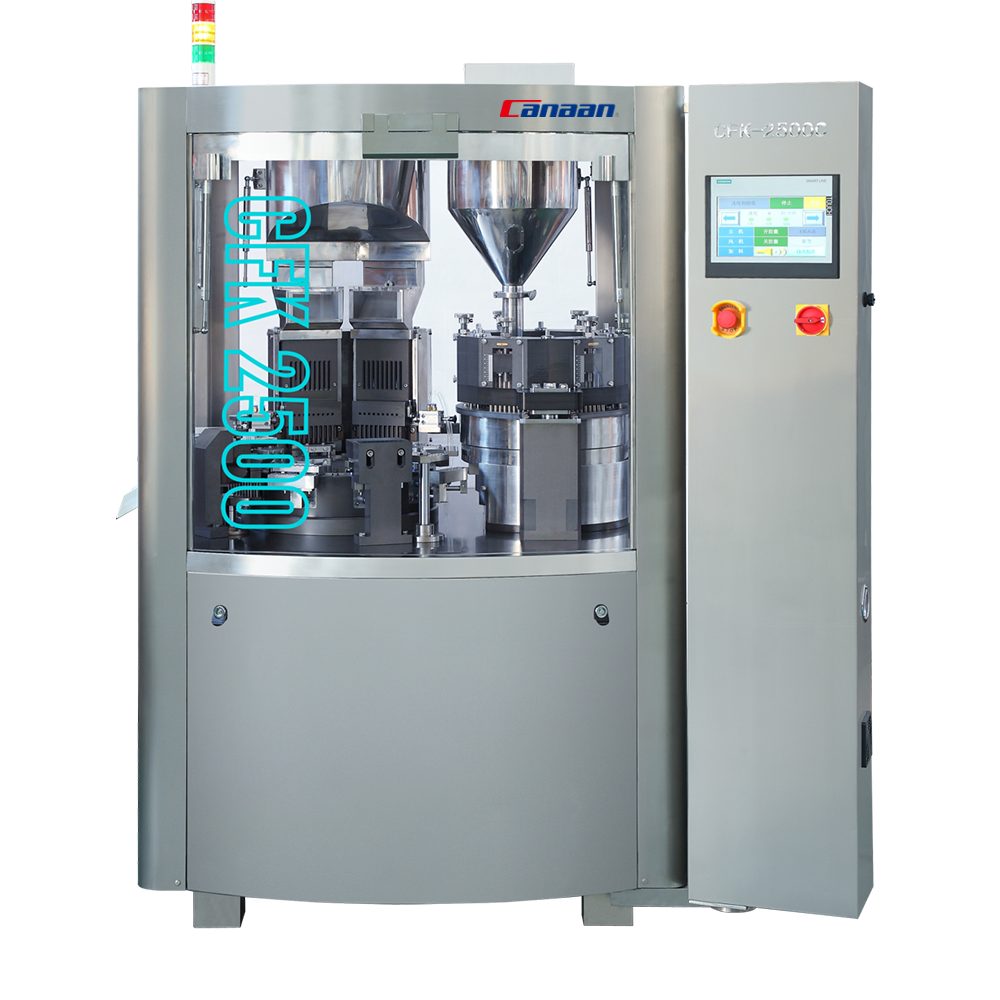
Explore the CFK Series Automatic Capsule Filling Machine for high precision and efficiency in capsule production.
Learn More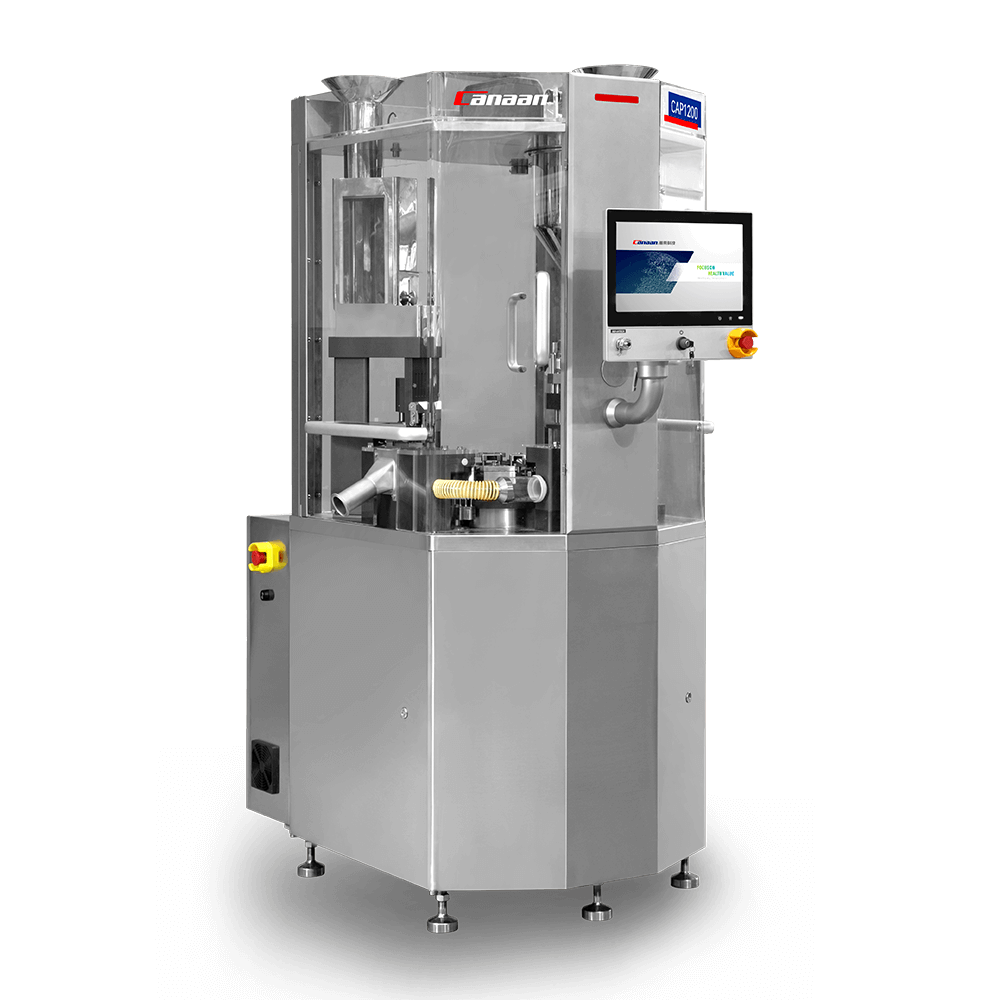
Discover the CAP Series Capsule Filling Machine for improved filling accuracy and speed.
Learn More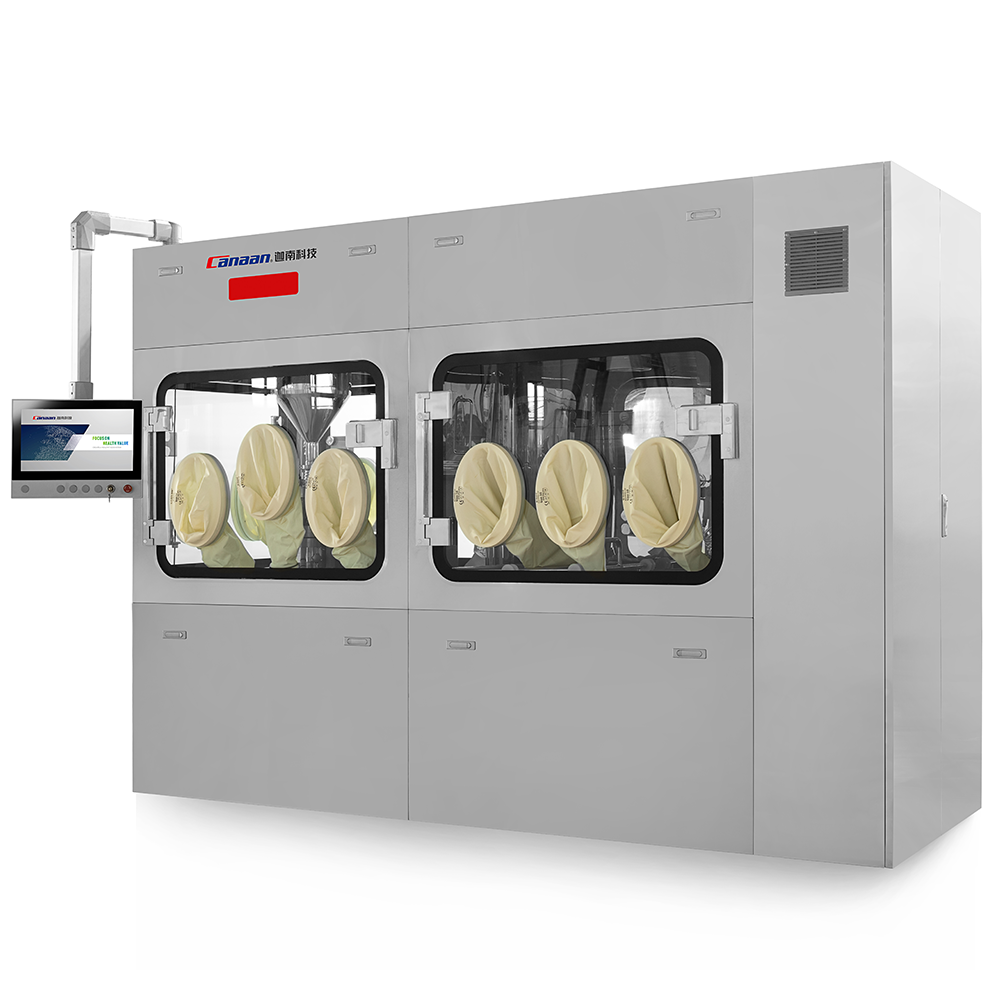
Check out our advanced Capsule Filling Machine for seamless operation and enhanced productivity.
Learn More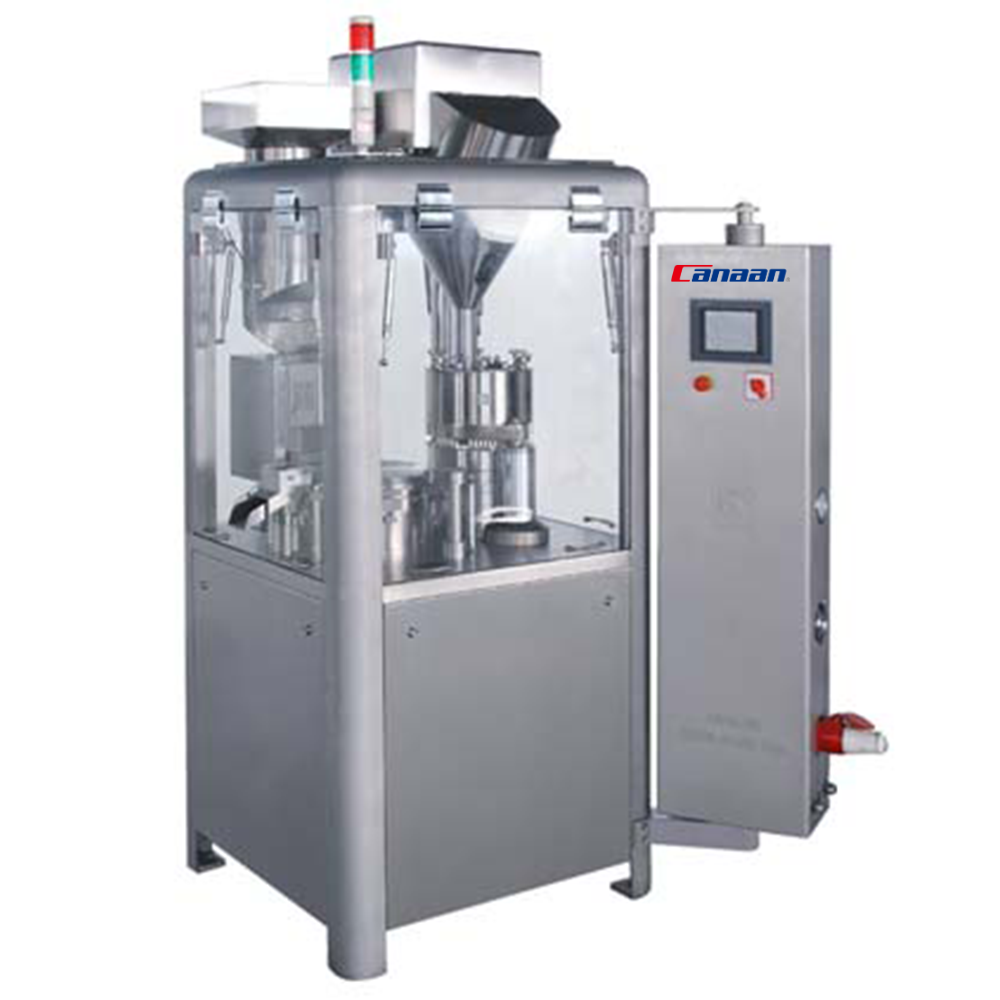
Maximize your efficiency with the NJP Series Automatic Capsule Filling Machine, built for high-volume production.
Learn More1. Confirm that the equipment is in good condition.
2. Install the public facilities correctly.
3. Install the upper and lower modules: Align the two positioning holes of the lower module with the two pins on the machine turntable, tighten the screws, and install the modules. The concentricity of each pair of upper and lower module holes must be corrected at the 10th station. Insert the module debugging rod into the two mold holes on the left and right sides of the module for correction, and then tighten the screws to ensure that the debugging rod can rotate flexibly in the upper and lower mold holes.
4. Install the capsule delivery component.
(1) Align the two positioning holes of the correction block with the pins on the receiver and tighten the screws.
(2) Align the two long grooves on the horizontal fork with the pins on the horizontal slide, place it on the horizontal slide, and adjust it to the best position for pushing the corresponding capsules and tighten the screws.
(3) Align the two positioning holes of the capsule delivery plate and the rear plate with the pins on the straight slide, and tighten the screws.
(4) Install the capsule funnel and tighten the screws.
5. Installation of the feeding system.
(1) Place the dose plate on the bracket and install three screws (do not tighten them first), turn the main motor to lower the punch plate to the lowest position, insert the two dose plate correction rods into the three holes of the filling rod plate seat, carefully turn the dose plate to an appropriate amount, so that the correction rods can be smoothly inserted into the holes, and then tighten the three screws in rotation.
(2) Turn the main motor to raise the punch plate to the highest point, place two pieces of plexiglass under the two sides of the plate, and then turn the main motor to lower the plate to the lowest point, remove the punch plate, install the powder ring cover, tighten the screws on both sides, turn the main motor again to raise it to the highest point, install the punch plate and tighten the screws.
(3) Install the filling rods in the appropriate position and fix the screws in turn.
(4) Install the sensor to an appropriate height, tighten the clamping screws, and finally install the feeding hopper in place and tighten the screws.
6. Install other parts of the machine.
Manually turn the main motor first, let the machine run for 1-3 weeks, observe whether the machine has abnormal resistance, and stop the machine in time if any problem is found.
1. Add empty capsules to the capsule funnel and add powder to the powder hopper.
2. Turn on the power, turn on the vacuum pump, and add materials to fill the dosage disk until the induction light goes out.
3. Start the machine and adjust the loading amount to the process requirements.
Press the stop button, the machine stops running, and turn off the vacuum pump and the main power supply.
Clean the machine according to the cleaning procedures.


Quick Answer Continuous manufacturing pharmaceutical systems merge blending, granulation, and compression into one unbroken line to meet GMP compliance under 21 CFR Part 11. These lines run in-line, real-time quality monitoring instead of end-of-batch testing, typically handling 5 to 40 kg per hour. Canaan’s integrated pharmaceutical continuous manufacturing lines are built to meet these standards, […]
Quick Answer Cleaning validation in pharmaceutical manufacturing is the documented proof that equipment meets a set residue limit every time. A validated wash runs pre-rinse, detergent wash, rinse, and dry stages under fixed time, temperature, and pressure parameters. Canaan’s QD Series washing stations combine automated washing and drying in one controlled cycle, with key process […]
Quick Answer A CIP system cleans fixed pharmaceutical equipment, such as coating machines and fluid-bed dryers, by circulating water and cleaning solution through the system without disassembly. Programmed pressure, temperature, and cycle times help keep each cleaning run consistent. Canaan uses built-in CIP for fixed equipment and QD Series washing stations for bins and IBCs. […]
 +86-577-67378828
 canaan@chinacanaan.com