
Choosing the right tablet coating is a critical decision. It affects drug stability. It also affects patient compliance.
In the pharmaceutical industry, there are three primary methods: Sugar, Film, and Enteric coating. To achieve high-quality results, manufacturers must use a precise tablet coating machine (also known as a pan coater). This guide explains how these systems work and how to choose the best one for your production line.


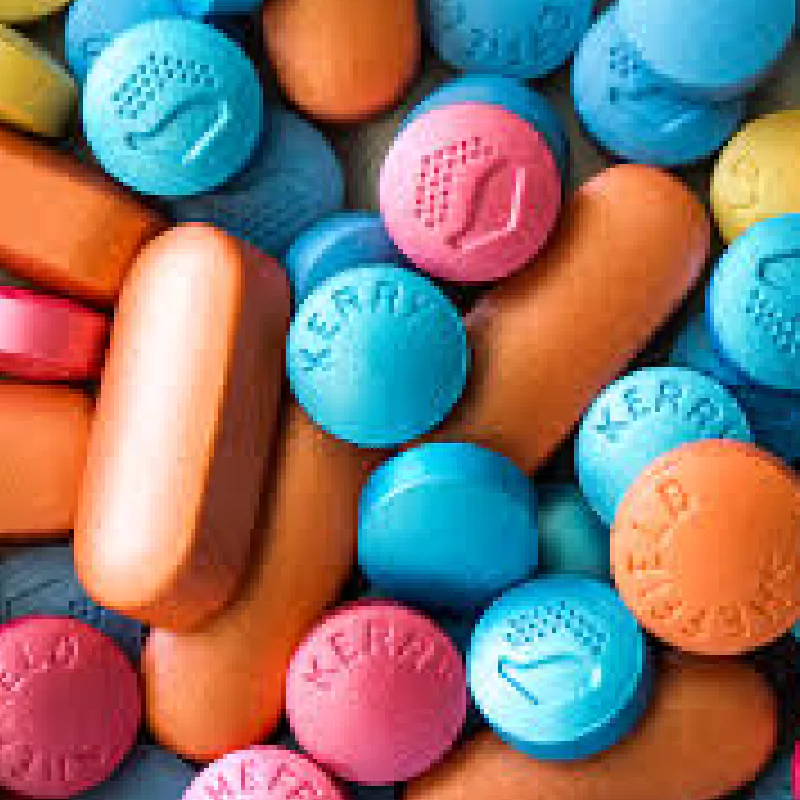
What is a pharmaceutical coating? Pharmaceutical coating is the process of applying a thin film of material to a solid dosage form. In the pharmaceutical industry, coatings are essential for protecting active ingredients, controlling drug release, and enhancing patient compliance.
The coatings can be protective, functional, or decorative. Whether it’s masking an unpleasant taste, controlling the rate of drug release, or protecting sensitive ingredients from environmental factors, pharmaceutical coatings are vital for enhancing both drug efficacy and patient compliance.
The choice of coating depends on several factors, including the active pharmaceutical ingredient (API), the drug’s required release profile, and the manufacturing process itself.
Coatings also play a key role in meeting the regulatory requirements for drug safety and efficacy. As drug delivery systems evolve, so too does the complexity and capability of pharmaceutical coatings.
Now, let’s look at the main types of coating commonly used in the industry.
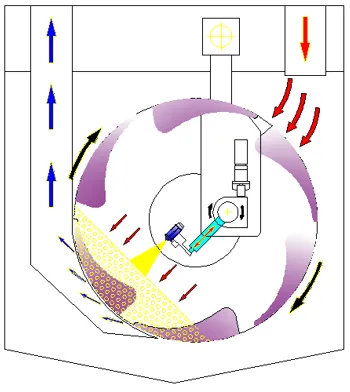
A tablet coating machine, is the industrial system used to execute this process. It features a large rotating drum (the pan) that tumbles the tablets. As they move, a spray system applies the coating solution, while a drying system removes the moisture.
Application Scenarios for B2B Production:
In the pharmaceutical industry, the main types of tablet coating include sugar coating, film coating, and enteric coating, each with unique properties and production requirements.
| Coating Type | Material | Key Function | Pros | Cons | Equipment Notes |
|---|---|---|---|---|---|
| Sugar | Sugar syrup | Taste masking, aesthetics | Glossy finish, palatable | Labor-intensive, increases size | Coating pans; automation improves efficiency |
| Film | Polymer | Protection, taste masking, controlled release | Fast, durable, thin | Requires solvent handling | Spray coating, drying needed |
| Enteric | pH-sensitive polymer | Acid-resistant, controlled release | Protects API, prevents stomach irritation | Complex, costly | Precise coating pans, controlled pH |
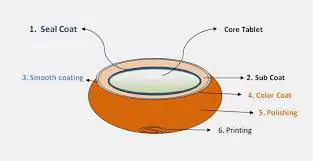
What is sugar coating? Sugar coating is one of the oldest and most traditional methods used in pharmaceutical manufacturing. This process involves the application of several layers of sugar-based syrups to the tablet’s surface.
These layers are applied in multiple stages, each serving a different function—starting from sealing the core of the tablet to applying a smooth and shiny final layer. The result is a glossy, polished tablet with a sugar-based outer layer.
Sugar coating is particularly suited for masking the unpleasant taste or odor of certain medications. By covering the tablet in a sugar layer, the process significantly improves the palatability of the drug, especially for children. This coating method also adds aesthetic value to the tablets, making them more visually appealing and easier to differentiate.
The downside, however, is that sugar coating increases the size and weight of the tablet. As a result, this method is less suited for modern formulations where tablet size must be kept small for ease of swallowing.
The process itself is also labor-intensive and time-consuming, requiring multiple layers to achieve the final product. For these reasons, sugar coating has largely been replaced by more efficient techniques like film coating.
Despite these limitations, sugar coating is still used today in cases where taste masking is crucial, and the additional size of the tablet is not a significant issue.
What is film coating?Film coating is the most widely used pharmaceutical coating method today.
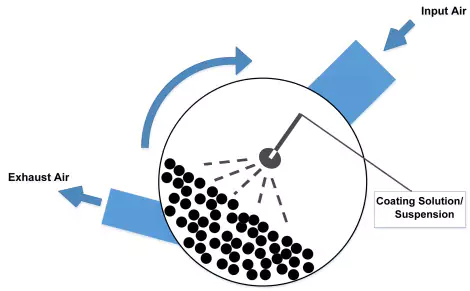
Unlike sugar coating, film coating involves the application of a thin layer of polymer-based film onto the surface of the tablet. This polymer film is usually applied in a single layer using a spray mechanism while the tablets are rotating in a pan. The process is faster and more efficient than sugar coating, and the resulting film is much thinner and more durable.
Film coating offers several advantages, including protection against environmental factors, improved aesthetics, and the ability to modify the drug release profile. The film coating can be transparent or colored, depending on the desired appearance of the tablet.
One of the biggest advantages of film coating is that it does not significantly increase the size of the tablet, making it ideal for patients who struggle with swallowing large tablets. Film-coated tablets are also more durable and less likely to break or chip during handling or transportation.
The film coating process typically involves three steps:
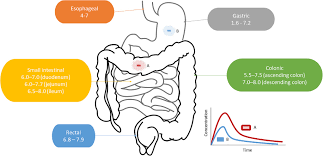
What is enteric coating? Enteric coating is a specialized type of film coating designed to resist the acidic environment of the stomach. This coating allows the tablet to pass through the stomach intact and dissolve in the more neutral pH environment of the small intestine.
Enteric coatings are often applied to drugs that can cause irritation to the stomach lining or that are unstable in acidic conditions.
The materials used for enteric coatings are pH-sensitive polymers that only dissolve at a higher pH, ensuring that the drug is released in the intestine rather than the stomach.
Suitability – Enteric coating is suitable for drugs that:
Advantages of Enteric Coating:
However, the complexity of enteric coating means that it can be more expensive and time-consuming to produce compared to other coating methods.

We’ve Provided Detailed Comparisons to Help You Make an Informed Decision. Below are In-depth Comparisons of the Three Different Coating Types.
Choosing the right pharmaceutical coating method can greatly impact the success of your drug formulation and its acceptance by patients.
Whether you’re looking to mask unpleasant tastes with sugar coating, protect and enhance the function of your drug with film coating, or ensure the proper release of your drug in the digestive system with enteric coating, having the right equipment and expertise is essential.
At China Canaan, we provide a range of advanced coating machines tailored to meet your production needs. Our machines offer precision, efficiency, and uniformity, ensuring that each tablet or capsule is perfectly coated every time.


Contact us today to explore our solutions and enhance your pharmaceutical production line.
1. What is the most common tablet coating method?
Film coating.
2. Why are tablets coated in pharmaceuticals?
For taste masking, API protection, controlled drug release, and professional branding.
3. What is the difference between film coating and enteric coating?
Film coating is for general protection; enteric coating ensures targeted intestinal release.
4. What machine is used for tablet coating?
Pan coaters, perforated coating machines, and fluid bed coaters are commonly used.
5. What is a pan coater?
An industrial system with a rotating drum used to spray and dry coatings onto tablets.


Quick Answer Continuous manufacturing pharmaceutical systems merge blending, granulation, and compression into one unbroken line to meet GMP compliance under 21 CFR Part 11. These lines run in-line, real-time quality monitoring instead of end-of-batch testing, typically handling 5 to 40 kg per hour. Canaan’s integrated pharmaceutical continuous manufacturing lines are built to meet these standards, […]
Quick Answer Cleaning validation in pharmaceutical manufacturing is the documented proof that equipment meets a set residue limit every time. A validated wash runs pre-rinse, detergent wash, rinse, and dry stages under fixed time, temperature, and pressure parameters. Canaan’s QD Series washing stations combine automated washing and drying in one controlled cycle, with key process […]
Quick Answer A CIP system cleans fixed pharmaceutical equipment, such as coating machines and fluid-bed dryers, by circulating water and cleaning solution through the system without disassembly. Programmed pressure, temperature, and cycle times help keep each cleaning run consistent. Canaan uses built-in CIP for fixed equipment and QD Series washing stations for bins and IBCs. […]
 +86-577-67378828
 canaan@chinacanaan.com